

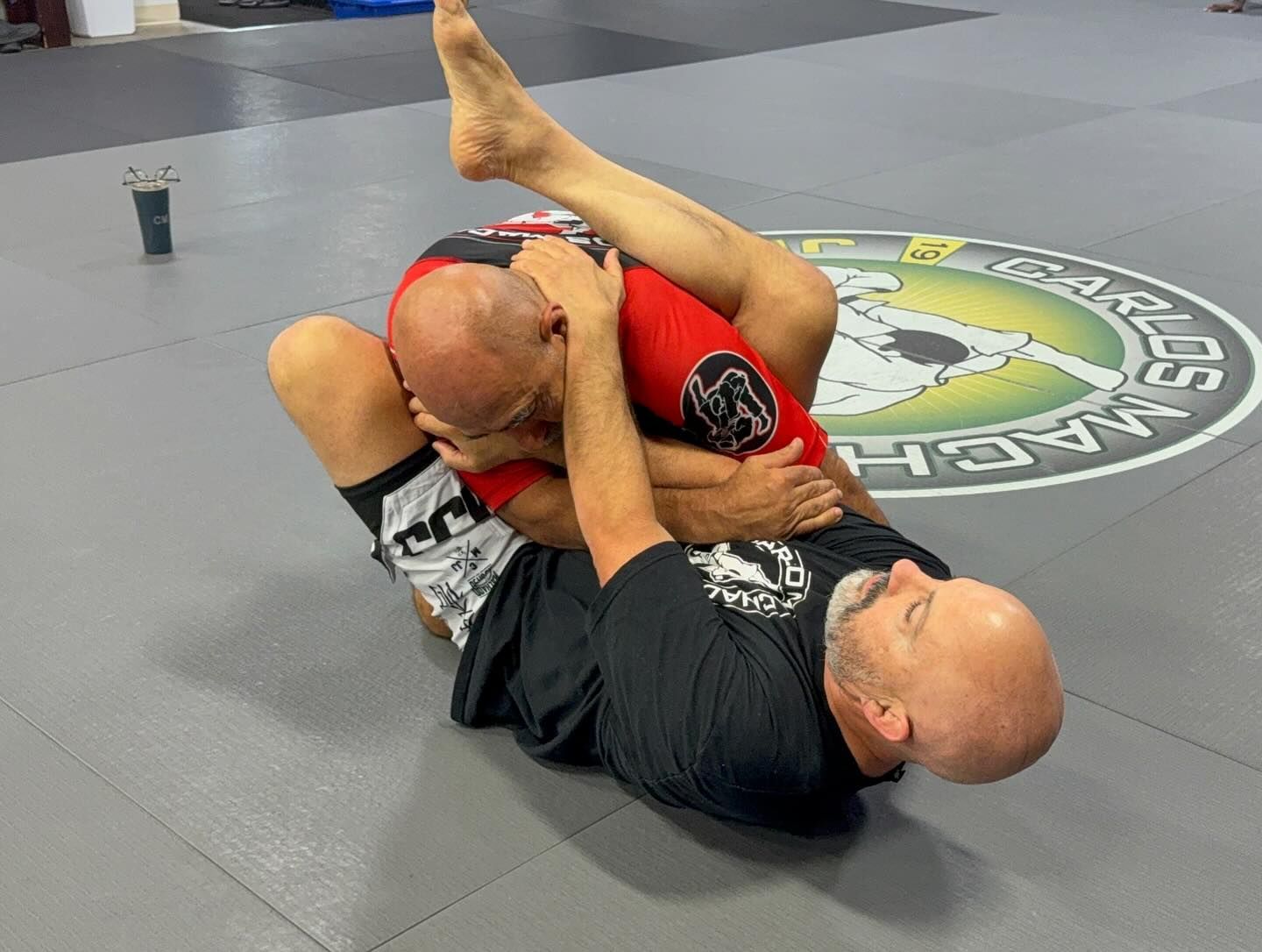
Are you just starting out in Jiu-Jitsu and feeling the urge to train every day, twice a day? It's important to temper your hunger and avoid burnout. In this blog post, we'll discuss when enough is enough and how to train smart to avoid burnout in Jiu-Jitsu. Training Frequency for Beginners As a beginner, it's important to start slow and gradually increase your training frequency. The recommended maximum for beginners is 3 times a week, with twice a week being the most recommended. Starting with a lower frequency allows you to ease into the training and gives your body time to adapt. Building Up Your Training Frequency Once you have established a routine and built a solid foundation, you can gradually increase your training frequency. Experienced practitioners may train 5-7 times a week, but it's important to still take rest days in between to avoid burnout. The Importance of Rest More training is not necessarily better. Giving your body and mind a break in between training sessions is crucial for recovery and avoiding burnout. Rest allows your body to refresh and reset, ultimately leading to better performance on the mats. Smart Training Tips for Longevity in Jiu-Jitsu It's important to train smart and avoid burnout in Jiu-Jitsu. Starting slow as a beginner and gradually building up your training frequency is key. Remember that rest is just as important as training, so make sure to give your body the time it needs to recover. By following these tips, you can enjoy a long and successful journey in Jiu-Jitsu. I hope you found this information helpful. For more Jiu-Jitsu tips and advice, feel free to reach out to me on social media. I look forward to hearing from you!
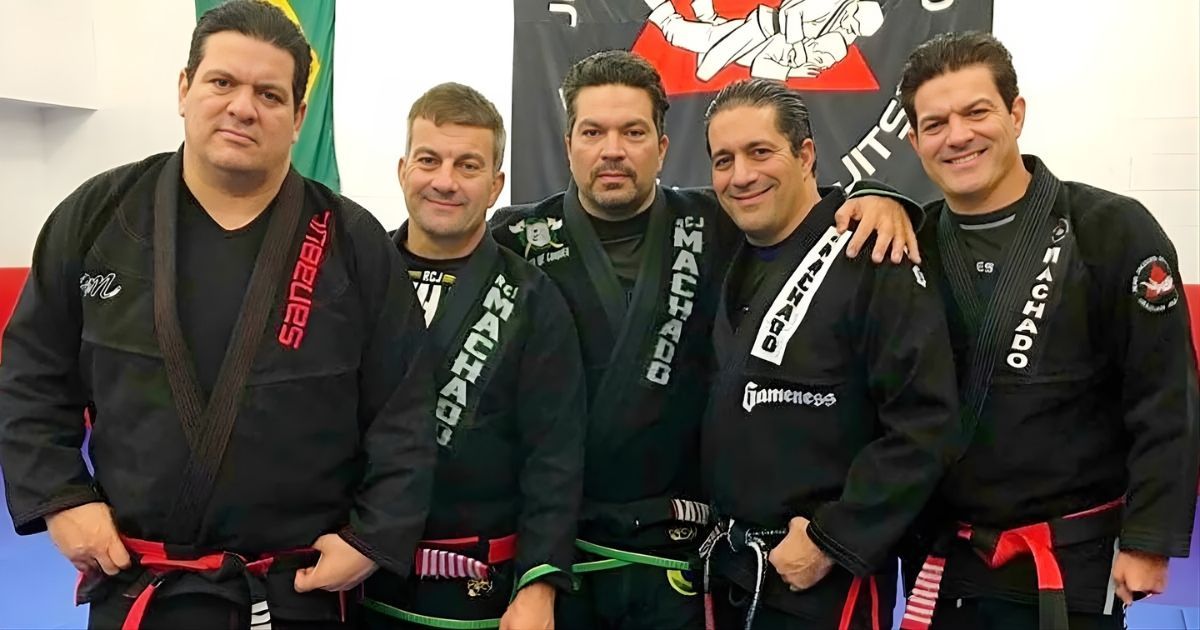
Jiu-Jitsu is not something that you get the motivation to do every day. Unless you have the mission at hand and the mission in Jiu-Jitsu number 1 is to change people's lives. And my journey in the United States started in Los Angeles and shortly after I came to the United States 1990 I ended up coming to a common friend, Chuck Norris, to Texas. And in 1995, I officially started the seeds of Jiu-Jitsu in the Southwest. I formed several hundred black belts. They have formed, in their own right, several hundred black belts out of their own lineages. And in doing so, I realized that as an instructor, if you don't have the passion for the art and if you don't have the care for the fellow man, it's really hard to go that fast and that far. I want to build students not just who know as much as I do but also who surpass me in their degree of skills and hopefully in their degree of reach. And I think for me this is a very important legacy to leave behind is 1 that fosters individuals to feel powerful, not just in the sense that they are knowledgeable of the art, but powerful because they know they can contribute to the empowerment of others. And that's the most rewarding experience that any instructor can ever attain, is to know that he has formed another individual that can equal or surpass his own skills. So this is the message that I have, this is the pride that I have to claim, that I have changed many people's lives and the job doesn't stop with me. Like I said, Jiu-Jitsu is never a job done, but always will be a work in progress. My Story: From Brazil to the US Okay, so those of you who are not doing Jiu-Jitsu and you're looking for an activity that you can begin that could be a life-changing journey, man, I highly recommend Carlos Machado and the Machado family of Jiu-Jitsu because it's changed my life. It's changed the life of thousands of people in the Midwest. So, don't wait, get started. Let me tell you a little bit about my story and how I came to the US with my brothers to spread the art of Jiu-Jitsu. It all started in 1990, when we decided to follow our cousin and mentor, Rigan Machado, who had opened a new school in Los Angeles. We had already achieved everything we could in Brazil, winning tournaments and earning respect from other academies. We wanted to see what opportunities awaited us in America. But it was not easy. We faced many challenges and hardships along the way. We had to adapt to a new culture, a new language, and a new market. We had to prove ourselves to the martial arts community, who were skeptical about our style and our claims. We had to overcome prejudice, ignorance, and even hostility from some people who did not understand or appreciate our art. But we also had a lot of support and encouragement from some amazing people. One of them was Chuck Norris, who became our friend and our guardian angel. He helped us in many ways, from giving us exposure and credibility, to inviting us to his movie sets and his ranch, to sharing his wisdom and his philosophy with us. He was instrumental in our success and our growth as martial artists and as human beings. My Family: The Machado Brothers Another source of strength and inspiration for me was my family, especially my brothers. We are five brothers: Rigan, John, Jean Jacques, Roger, and myself. We grew up in a large and loving family in Brazil, where we learned Jiu-Jitsu from our uncle, the late Carlos Gracie, who was the founder of the art. He taught us not only the techniques, but also the values and the principles of Jiu-Jitsu, such as discipline, respect, humility, and loyalty. We also learned a lot from our father, who was a judge. He taught us integrity, honesty, and responsibility. He supported our decision to come to the US, even though he knew he would miss us. He passed away six months after we arrived, but his legacy lives on in us. We are very close as brothers, and we always support each other. We have different personalities and different styles, but we complement each other. We are like a team, a unit, a force. We have a common passion for Jiu-Jitsu, and a common mission to change people's lives with it. My Students: The Jiu-Jitsu Community The third and most important pillar of my life is my students. They are the reason why I do what I do. They are the ones who motivate me, challenge me, and inspire me. They are the ones who make me proud, happy, and fulfilled. I have taught thousands of students over the years, from all walks of life, from all ages, from all backgrounds. I have seen them grow, improve, and transform with Jiu-Jitsu. I have seen them overcome their fears, their doubts, their limitations. I have seen them achieve their goals, their dreams, their potential. But more than that, I have seen them become better people. I have seen them develop confidence, courage, and character. I have seen them become more respectful, more humble, more compassionate. I have seen them become more healthy, more balanced, more happy. And I have also learned a lot from them. They have taught me patience, tolerance, and gratitude. They have taught me new perspectives, new insights, new techniques. They have taught me how to be a better teacher, a better leader, a better friend. I don't just teach them Jiu-Jitsu. I teach them how to live Jiu-Jitsu. How to apply the principles and the lessons of the art to their everyday lives. How to use Jiu-Jitsu as a tool for personal growth, for self-defense, for self-expression. My Message: Jiu-Jitsu is for Everyone So, this is my message to you. Jiu-Jitsu is not just a sport, a hobby, or a martial art. It is a way of life. It is a philosophy. It is a passion. It is a mission. And it is for everyone. It doesn't matter who you are, where you come from, what you do, or how old you are. Jiu-Jitsu can benefit you in many ways. It can improve your physical, mental, and emotional health. It can enhance your skills, your knowledge, and your creativity. It can enrich your relationships, your career, and your happiness. All you need is an open mind, a willing heart, and a desire to learn. And, of course, a good teacher. That's where I come in. I'm here to help you, to guide you, to mentor you. I'm here to share with you my experience, my wisdom, and my love for Jiu-Jitsu. I'm here to change your life, as Jiu-Jitsu has changed mine.
This blog post discusses various techniques in Brazilian Jiu Jitsu, including the shoulder lock, scissor sweep, armbar, and more. Shoulder Lock Technique When it comes to Brazilian Jiu-Jitsu (BJJ) and grappling martial arts, mastering the shoulder lock technique is paramount for achieving success on the mats. This technique requires a deep understanding of the mechanics involved, as well as precise control over your partner's movements. In this blog section, we will delve into the various aspects of the shoulder lock technique, including its importance, different variations, grip maintenance, countering escape attempts, and using the shoulder lock flip as a reversal technique. Importance of Controlling Partner's Arms and Maintaining Pressure One of the key elements of the shoulder lock technique is the ability to control your partner's arms effectively. By controlling their arms, you limit their ability to defend against the submission and increase the pressure on their shoulder joint. Maintaining pressure throughout the technique is crucial for securing the lock and inducing a tap-out from your partner. Different Variations of the Technique There are several variations of the shoulder lock technique, each with its own unique mechanics and finishing positions. Two common variations are the leg flat finish and the knee pivot finish. The leg flat finish involves extending your legs flat on the mat to secure additional leverage, while the knee pivot finish utilizes your knee as a pivot point for added control. Maintaining Grip on Partner's Sleeve and Belt In order to execute the shoulder lock technique effectively, maintaining a strong grip on your partner's sleeve and belt is essential. The sleeve grip provides you with control over their arm movements, while the belt grip helps you stabilize your position and prevent any counter-attacks. By securing these grips, you enhance your ability to execute the technique with precision. Countering Partner's Attempts to Escape the Submission As with any submission technique, your partner will likely attempt to escape the shoulder lock once you start applying pressure. To counter their escape attempts, you must anticipate their movements and adjust your position accordingly. By staying one step ahead and maintaining control over their arms, you can prevent them from breaking free and secure the submission. Shoulder Lock Flip as a Reversal Technique For more advanced practitioners, the shoulder lock flip can be utilized as a reversal technique when your partner tries to defend against the lock. By using their momentum and leverage against them, you can transition from a defensive position to an offensive one, putting pressure on their shoulder joint and forcing them to tap out. The shoulder lock flip adds a strategic element to your arsenal, allowing you to adapt to your partner's movements and capitalize on openings. Mastering the shoulder lock technique requires dedication, practice, and a deep understanding of body mechanics. By emphasizing the importance of controlling your partner's arms, exploring different variations of the technique, maintaining a strong grip, countering escape attempts, and utilizing the shoulder lock flip, you can elevate your BJJ skills and become a formidable grappler on the mats. Scissor Sweep and Armbar The combination of the scissor sweep and armbar is a dynamic duo in the world of Brazilian Jiu-Jitsu, offering effective techniques for both controlling your opponent and transitioning into submission holds. In this blog section, we will delve into the intricacies of these two fundamental moves and how they can be seamlessly integrated into your arsenal. Scissor Sweep for Escaping Leg and Flipping Partner Over The scissor sweep is a fundamental technique used to off-balance and sweep your opponent from the closed guard position. To execute the scissor sweep, start by controlling your opponent's posture with a strong grip on their sleeve and collar. Next, open your guard and place one foot on their hip while the other leg goes behind their knee. With a swift motion, extend your legs and drive your hips upwards and towards the direction you want to sweep. This action, resembling the motion of opening and closing a pair of scissors, allows you to destabilize your opponent's base and flip them over, ready to establish a dominant position. Armbar Submission Technique from Closed Guard Position Once you have successfully swept your opponent with the scissor sweep, you can capitalize on the momentum and transition into the armbar submission hold. From the top position, maintain control over your opponent's arm by securing their wrist and trapping it against your chest. Your legs play a crucial role in this technique, with one leg placed over your opponent's head and the other leg securing their body. By extending your hips and applying pressure to your opponent's elbow joint, you can effectively hyperextend their arm, forcing them to submit or risk injury. Importance of Controlling Partner's Arm and Using Hip for Leverage Both the scissor sweep and armbar rely heavily on controlling your opponent's arm and utilizing your hip movement for leverage. By understanding how to manipulate your opponent's arm position, you can limit their options and set yourself up for a successful sweep or submission. Additionally, proper hip engagement is key to generating power and stability in these techniques. Whether you are initiating a sweep or locking in an armbar, the efficient use of your hips can make all the difference in executing the moves effectively. Cross Face for Establishing Control and Preventing Partner's Defense As you work through the scissor sweep and armbar sequences, it is essential to establish control over your opponent's upper body to prevent any potential defenses. One effective method for gaining control is the cross face technique, where you use your arm to press against your opponent's face and turn their head away from you. This action not only disrupts their base and balance but also limits their ability to defend against your attacks, giving you the upper hand in the grappling exchange. Maintaining Balance and Preventing Partner from Rolling During Sweep Maintaining balance is a critical aspect of executing effective sweeps and submissions in Brazilian Jiu-Jitsu. When performing the scissor sweep, it is crucial to distribute your weight evenly and anticipate your opponent's reactions to prevent them from rolling out of the sweep. By staying connected to your partner and adjusting your positioning in real-time, you can stay one step ahead and secure the sweep successfully. Similarly, when transitioning into the armbar, maintaining your balance and controlling your opponent's movements are vital for securing the submission and avoiding any potential escapes. Shoulder Lock and Kimura Hold When it comes to grappling and submission techniques in martial arts, the shoulder lock and Kimura hold are two highly effective moves that offer great control over your opponent. Let's dive into the intricacies of these techniques and how they can be used to dominate your opponent. Using Lapel and Arm for Control One key aspect of the shoulder lock and Kimura hold is using the lapel and arm to control your partner's movements. By gripping their lapel and arm, you can limit their range of motion and set up the perfect angle for a submission. This control is essential for executing the technique with maximum effectiveness. Maintaining Control and Prevention Once you have established control with the lapel and arm, it's crucial to maintain that control throughout the execution of the technique. This involves preventing your partner from escaping or countering the submission by staying one step ahead and adjusting your grip as needed. Applying Pressure with Hip and Shoulder To effectively execute the shoulder lock or Kimura hold, you must use your hip and shoulder to apply pressure and control your partner's movements. By leveraging your body weight and positioning, you can create immense pressure that makes it difficult for your opponent to escape. Maintaining Balance and Control Another important aspect of these techniques is maintaining your own balance while controlling your partner. This balance ensures that your opponent cannot easily reverse the position or counter the submission, giving you the upper hand throughout the sequence. Using Knee and Elbow for Control In addition to the lapel and arm control, incorporating your knee and elbow into the mix can further enhance your control over your partner's movements. These additional points of contact allow for more advanced setups and transitions, increasing the versatility of your attack. Ankle Big Hook Flip and Top Mount Position When it comes to the ankle big hook flip and top mount position in Brazilian Jiu-Jitsu, several key techniques and strategies play a crucial role in maintaining control and executing successful transitions. Let's delve into the intricacies of these essential moves: Controlling Partner's Arms and Blocking Knee and Hip One of the fundamental aspects of establishing dominance in the ankle big hook flip and top mount position is controlling your partner's arms effectively. By preventing your opponent from utilizing their arms freely, you limit their options for defense and counterattacks. Additionally, blocking their knee and hip not only restricts their mobility but also sets the stage for your next move. Using Foot to Help Pull and Flip Partner in Ankle Big Hook Flip Executing the ankle big hook flip requires precise technique and timing. By strategically using your foot to pull and flip your partner, you can disrupt their balance and create an opening for a successful transition. This move is both dynamic and effective when executed with precision. Shifting Knee Position in Top Mount Position Based on Partner's Movements Adaptability is key in the top mount position, especially when your partner is actively moving and resisting. By intelligently shifting your knee position in response to your partner's movements, you can maintain control and set up various attacks. This reactive approach enhances your positional dominance and puts you in a prime position to capitalize on openings. Using Lapel for Attacks and Maintaining Control The lapel can be a versatile tool for both attacks and maintaining control in the ankle big hook flip and top mount position. Whether you're setting up a submission or preventing your partner from escaping, utilizing the lapel effectively can significantly impact the flow of the match. By mastering lapel control, you can enhance your overall grappling skills. Preventing Partner from Rolling by Pushing Forehead and Using Mobile Forehead Posting Preventing your partner from rolling is essential to secure your position and execute your game plan. By applying pressure with your forehead and utilizing mobile forehead posting, you can effectively immobilize your partner and limit their options for escape. This strategic use of head control can be a game-changer in maintaining dominance. Mastering the ankle big hook flip and top mount position requires a combination of technical skill, strategic thinking, and adaptability. By incorporating these key techniques into your arsenal and refining your execution, you can elevate your BJJ game and become a more formidable grappler. Choke Hold Technique When it comes to mastering the choke hold technique, there are key factors that can make all the difference in its effectiveness. Let's delve into the nuances of shifting weight, preventing your partner from rolling, and the critical role of control and pressure maintenance. Shifting Weight and Maintaining Pressure on Lapel One of the fundamental aspects of a successful choke hold is the ability to shift your weight effectively while maintaining pressure on the lapel. By distributing your weight strategically, you can ensure that your choke hold is both secure and potent. Remember, proper weight distribution can amplify the impact of your choke hold and increase its efficiency. Preventing Partner from Rolling During Choke Hold It is essential to prevent your partner from rolling during a choke hold to maintain control and maximize the effectiveness of the technique. By maintaining a stable position and using leverage to restrict their movement, you can diminish their chances of escaping the hold. Anticipate their reactions and adjust your positioning to counter any attempts to roll out of the hold. Importance of Control and Maintaining Pressure Control is paramount when executing a choke hold. Without proper control over your partner's movements and positioning, the effectiveness of the technique diminishes significantly. Additionally, maintaining consistent pressure throughout the hold is crucial for cutting off blood flow to the brain and rendering your opponent incapacitated. Mastering the choke hold technique requires a delicate balance of shifting weight, preventing rolling, and exerting precise control with unwavering pressure. Keep honing these key elements to elevate your proficiency in this powerful martial arts maneuver.
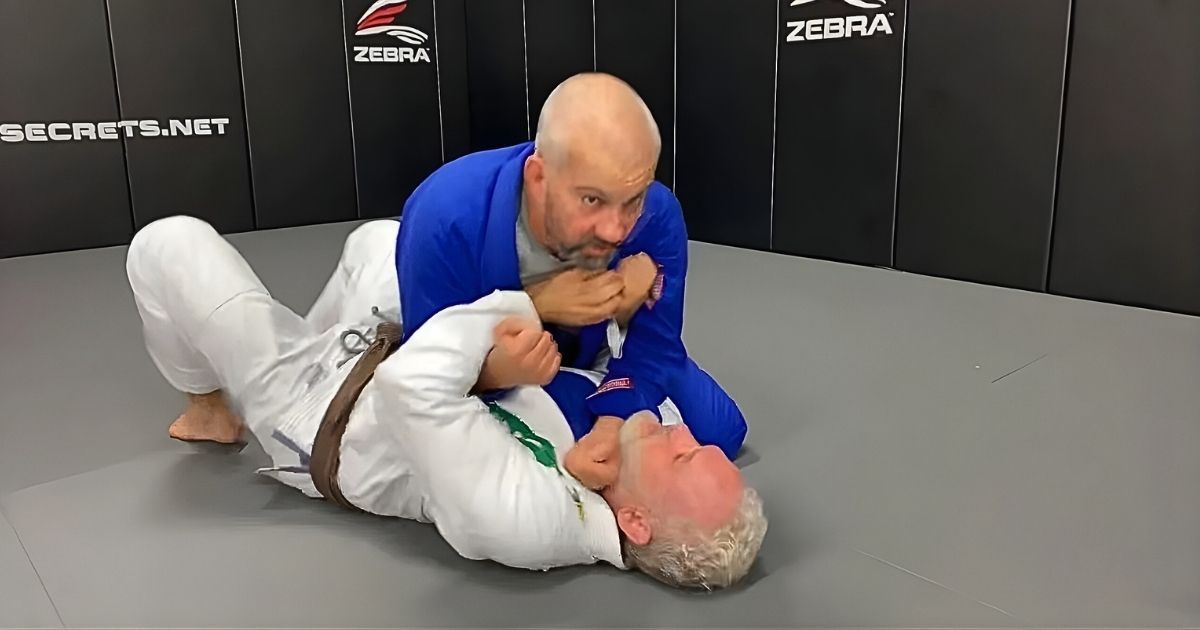
In this blog post, the speaker discusses three effective options for executing the psychotropic Russia fix in jiu-jitsu. Option One: Snake River I Cup Choke Welcome to the world of Brazilian Jiu-Jitsu, where intricate techniques and strategic maneuvers can turn the tide of any fight. In this blog section, we will delve into the details of the Snake River I Cup Choke, a formidable submission move that can render your opponent helpless in a matter of seconds. Roll Hip Towards Opponent's Hip One of the key components of executing the Snake River I Cup Choke effectively is to first roll your hip towards your opponent's hip. This movement allows you to establish the necessary positioning and leverage to apply the chokehold with precision. By rolling your hip towards your opponent's hip, you create an angle that makes it difficult for them to defend against the impending submission. This subtle but crucial adjustment sets the stage for the next steps in the execution of the Snake River I Cup Choke. Place Belly Button Over Opponent's Chin Once you have maneuvered your hip into position, the next step is to place your belly button over your opponent's chin. This seemingly unorthodox move is actually instrumental in setting up the chokehold and restricting your opponent's breathing. By positioning your belly button over your opponent's chin, you not only create a barrier that impedes their ability to turn their head and alleviate pressure but also establish a point of contact that anchors the chokehold in place. This strategic placement is a hallmark of the Snake River I Cup Choke and is essential for its successful execution. Use Snake River I Cup to Choke Opponent With your hip rolled towards your opponent's hip and your belly button firmly over their chin, it is time to implement the final stage of the Snake River I Cup Choke – applying the chokehold itself. This maneuver involves utilizing the unique structure of your arms and hands to constrict your opponent's airway and force them into submission. The Snake River I Cup Choke employs a specialized gripping technique that mimics the shape of a cup, hence its name. By cupping your hand and forming a secure grip around your opponent's neck, you create a channel through which you can apply pressure and restrict their breathing effectively. As you tighten your grip and maintain control over the positioning of your hip and belly button, the chokehold exerts increasing pressure on your opponent's neck, prompting them to tap out in submission. The Snake River I Cup Choke is a potent technique that demands precision, finesse, and strategic execution to achieve success. Mastering the intricacies of the Snake River I Cup Choke requires dedicated practice, patience, and a keen understanding of body mechanics. By honing your skills in this formidable submission move, you can enhance your arsenal of techniques in Brazilian Jiu-Jitsu and outmaneuver your opponents with ease. Option Two: Turtle Defense In Brazilian Jiu-Jitsu, the turtle position is a defensive posture used to protect oneself when on the bottom. It's crucial to know how to effectively defend from this position to prevent your opponent from advancing their position or applying submissions. In this blog post, we will discuss two essential techniques for turtle defense: framing the forearm to defend against attacks and turning the head to protect against the opponent's strength. 1. Frame Forearm to Defend Against Attacks When you find yourself in the turtle position, one of the first things you should do is frame your forearm against your opponent's attacks. This framing creates a barrier between your opponent and yourself, making it harder for them to apply pressure or secure a submission. To frame your forearm effectively, follow these steps: Positioning: Place one forearm against your opponent's hip or chest, creating a barrier. Engage Your Core: Keep your core engaged to maintain stability and prevent your opponent from destabilizing you. Move with Purpose: Be intentional with your movements, using your framed forearm to block any incoming attacks. By framing your forearm, you can effectively defend against your opponent's attempts to control or submit you from the turtle position. This technique is a fundamental aspect of turtle defense and should be practiced regularly to ensure proficiency. 2. Turn Head to Protect Against Opponent's Strength In addition to framing your forearm, another crucial aspect of turtle defense is turning your head to protect against your opponent's strength. By turning your head, you can minimize the risk of your opponent securing a choke or applying pressure to your neck. Here's how you can effectively turn your head for defense: Neck Alignment: Keep your neck aligned with your spine to avoid exposing it to unnecessary strain or pressure. Chin Tuck: Tuck your chin towards your chest to create a barrier against chokes or neck attacks. Visualize Your Escape: While turning your head, visualize your escape route and work towards improving your position. Turning your head is a defensive tactic that complements the forearm framing technique. By combining these two strategies, you can enhance your turtle defense and increase your chances of escaping unfavorable positions. Effective turtle defense requires a combination of strategic positioning, defensive techniques, and a clear understanding of your opponent's movements. By practicing framing your forearm and turning your head, you can strengthen your defense from the turtle position and improve your overall Jiu-Jitsu skills. Option Three: Elbow Block Counter When faced with an opponent who is skilled in blocking your strikes, it is essential to have a variety of techniques in your arsenal to effectively counter their defensive moves. One such counter move that can be highly effective is the Elbow Block Counter. By mastering this technique, you can quickly turn the tables on your opponent and gain the upper hand in a confrontation. In this section, we will delve into the intricacies of the Elbow Block Counter, breaking down each step to help you execute it with precision and finesse. Circle Arm Around Opponent's Block The first step in executing the Elbow Block Counter involves circling your arm around your opponent's block. This move is crucial as it sets the foundation for the subsequent steps of the technique. As your opponent raises their block to defend against your strike, swiftly and decisively move your arm in a circular motion to bypass their defense. By effectively maneuvering your arm around their block, you create an opening that can be exploited to launch a successful counter attack. Grab Shoulder and Pull With your arm successfully positioned around your opponent's block, the next step is to grab their shoulder and pull them towards you. This action serves to destabilize your opponent's stance and disrupt their balance, putting them on the defensive and giving you the advantage. By exerting controlled force and leveraging your body weight, you can effectively control your opponent's movements and set the stage for the final step of the Elbow Block Counter. Roll Hip for Added Momentum As you grab your opponent's shoulder and pull them towards you, it is essential to roll your hip to generate added momentum and power for the counter attack. By coordinating the movement of your arm, shoulder grab, and hip roll, you can deliver a swift and impactful strike that catches your opponent off guard. The rolling of your hip not only enhances the force behind your counter move but also adds fluidity and agility to your technique, making it more difficult for your opponent to anticipate and defend against. Timing and Precision Timing and precision are key factors in successfully executing the Elbow Block Counter. It is essential to wait for the opportune moment to launch your counter attack, ensuring that your movements are fluid and well-timed. By mastering the timing of each step and executing them with precision, you can catch your opponent by surprise and swiftly gain the upper hand in the confrontation. Practice is crucial in honing your timing and precision, so dedicate ample time to training and refining your technique. Adaptability and Creativity While the Elbow Block Counter follows a structured series of steps, it is vital to remain adaptable and creative in your approach. Every opponent is different, and their reactions may vary, requiring you to adjust your technique on the fly. By cultivating a mindset of adaptability and creativity, you can effectively improvise and modify your counter moves to suit the unique circumstances of each confrontation. Embrace experimentation and innovation in your training to enhance your versatility as a fighter. The Elbow Block Counter is a potent technique that can give you a significant advantage in combat situations where your opponent relies heavily on blocking. By mastering the intricacies of this counter move and practicing it diligently, you can enhance your effectiveness as a fighter and outmaneuver even the most skilled blockers. Remember to focus on each step of the technique, from circling your arm around the block to rolling your hip for added momentum, and strive for perfection in your execution. With dedication and practice, the Elbow Block Counter can become a valuable weapon in your martial arts repertoire. ``` Importance of Head and Chest Control When it comes to martial arts, the importance of head and chest control cannot be overstated. These two areas are key points of contact during any combat situation, and mastering the control of your opponent's head and chest can greatly enhance the effectiveness of your techniques. In this blog post, we will explore why controlling the head and chest is crucial and how proper positioning can lead to successful execution of various techniques. Control opponent's head and chest for effective execution One of the fundamental principles of martial arts is to control your opponent. By gaining control of your opponent's head and chest, you can dictate the pace and direction of the fight. When you control the head, you can manipulate your opponent's posture and limit their ability to generate power in their strikes. Similarly, controlling the chest can disrupt their balance and prevent them from effectively countering your moves. Effective head and chest control can also create openings for offensive techniques. For example, by controlling your opponent's head and forcing it to one side, you can set up a powerful strike to the exposed side of their body. This level of control not only allows you to execute your techniques more effectively but also keeps your opponent on the defensive, making it harder for them to launch their own attacks. Furthermore, controlling the head and chest can be instrumental in grappling situations. By establishing dominance over these areas, you can set up takedowns, submissions, or positional controls that can lead to a swift victory. In Brazilian Jiu-Jitsu, for instance, maintaining control of your opponent's head and chest is essential for executing a successful choke or joint lock. Emphasize positioning for successful techniques In martial arts, proper positioning is everything. Whether you are standing or on the ground, having superior positioning can make all the difference in executing your techniques with precision and power. When it comes to head and chest control, position is key to maximizing your control over your opponent. When engaging in striking arts like boxing or Muay Thai, having the correct angle and distance to control your opponent's head and chest can significantly impact the effectiveness of your punches, kicks, and clinch work. By maintaining the right stance and footwork, you can keep your opponent within your striking range while staying out of theirs. Similarly, in grappling arts such as wrestling or judo, positioning your body in relation to your opponent's head and chest is crucial for setting up throws, pins, and submissions. By securing the appropriate grips and angles, you can off-balance your opponent and create opportunities to execute your techniques with minimal resistance. Overall, the emphasis on positioning when it comes to head and chest control is about maximizing your leverage and minimizing your opponent's options. By constantly adjusting and readjusting your position during a fight, you can stay one step ahead of your opponent and increase your chances of success. In conclusion, mastering the control of your opponent's head and chest is a fundamental skill that can elevate your martial arts game to the next level. By understanding the importance of these key areas and emphasizing proper positioning in your training, you can improve the effectiveness of your techniques and increase your chances of victory in any combat scenario. ``` Subscribe for More Updates and Training Tips Do you want to take your training to the next level and stay ahead of the game? Subscribing for more updates and training tips is the perfect way to achieve your goals. By staying updated on new techniques and strategies while receiving valuable training tips for improvement, you can transform your skills and reach new heights. Whether you are a novice looking to build a solid foundation or an experienced pro aiming to refine your skills, subscribing for updates and tips can provide you with the knowledge and insights you need to succeed. The world of training is constantly evolving, and staying informed is essential to maintain a competitive edge. Here are some key benefits of subscribing for more updates and training tips: Stay informed about the latest trends in training Receive valuable insights from industry experts Access exclusive content and resources Improve your skills and performance Connect with a community of like-minded individuals By signing up for updates and tips, you can enhance your training experience and unlock your full potential. Whether you are passionate about fitness, sports, or any other form of training, staying in the know can make a significant difference in your journey towards success. Subscribe today and take the first step towards achieving your training goals! TL;DR: Subscribe for more updates and training tips to stay informed on new techniques and strategies, and receive valuable insights for improvement. Unlock your full potential and take your training to the next level!
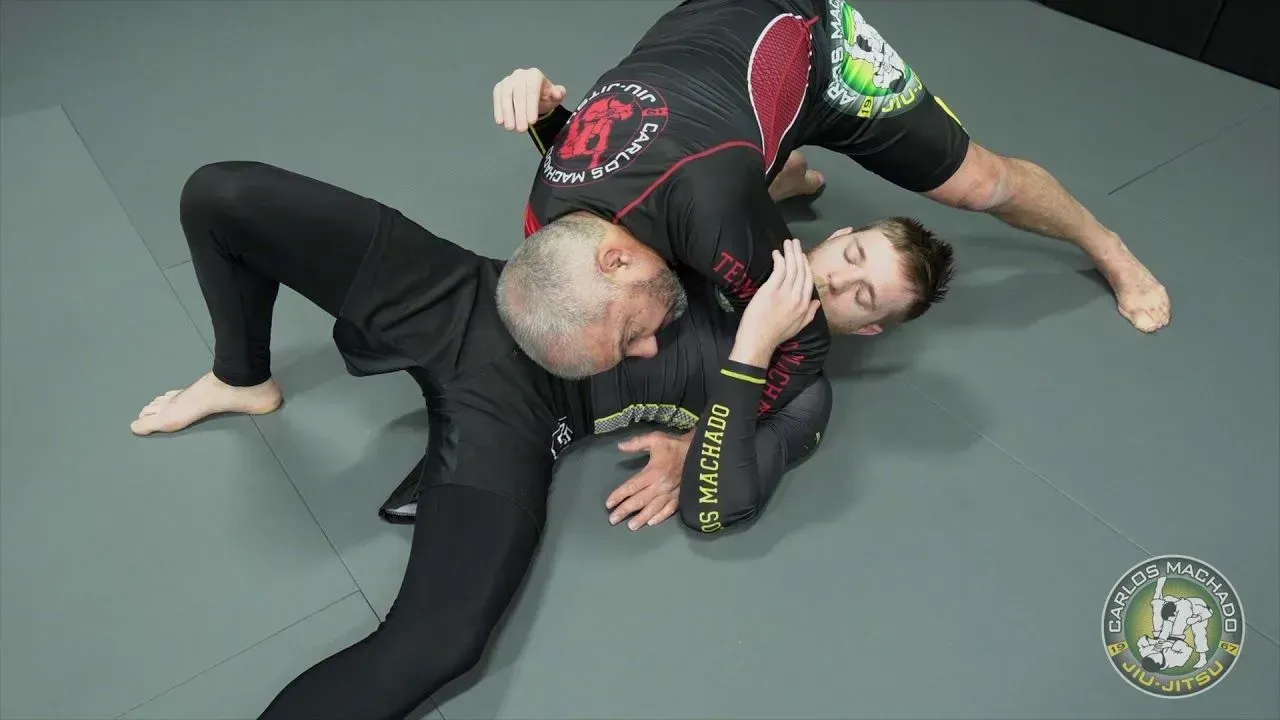
This blog post covers detailed tips and demonstrations on executing armbar and kimura techniques in fighting. Positioning and Control When it comes to Brazilian Jiu Jitsu, mastering the art of positioning and control is crucial for achieving success in a match. Effective positioning and control not only help in dominating your opponent but also pave the way for successful submissions. In this discussion, we will delve into some key techniques and strategies that can enhance your ability to maintain control over your opponent in a BJJ match. Maintain a Strong Grip on Opponent's Neck for Control One of the fundamental aspects of maintaining control over your opponent is to establish a strong grip on their neck. By gripping your opponent's neck firmly, you can limit their ability to move freely and exert pressure on them. This grip serves as an anchor point that allows you to control the pace and direction of the match. To maintain a strong grip on your opponent's neck, you can utilize various techniques such as collar grips, lapel grips, or even a cross-collar grip. These grips not only provide you with control but also create openings for potential submissions. Utilize Elbows as Wings to Match Opponent's Movements Another effective technique for controlling your opponent is to utilize your elbows as wings to match their movements. By keeping your elbows close to your body and mirroring your opponent's actions, you can effectively neutralize their offensive attempts and maintain a strong defensive position. Using your elbows as wings allows you to create barriers and block your opponent's advancements. This technique also enables you to feel your opponent's movements and anticipate their next steps, giving you a strategic advantage in the match. Prevent Opponent from Stacking by Keeping Hip Elevated Stacking is a common defensive strategy used by opponents to destabilize your position and break free from your control. To prevent your opponent from stacking, it is essential to keep your hips elevated at all times. By lifting your hips off the ground, you create a base of support that makes it challenging for your opponent to stack you. Keeping your hip elevated not only prevents your opponent from gaining leverage but also allows you to maintain a dominant position from which you can launch your attacks. This technique is especially useful when attempting to secure submissions or transition to a more favorable position. Control Opponent's Head to Prevent Angle Changes Controlling your opponent's head is a strategic move that can effectively disrupt their balance and limit their ability to change angles. By applying pressure to your opponent's head or neck, you can manipulate their posture and prevent them from adjusting their position to gain an advantage. When you control your opponent's head, you dictate the flow of the match and create openings for sweeps, submissions, or transitions. Maintaining consistent control over your opponent's head also limits their options and forces them to react to your movements. Use Hip to Pull Opponent's Elbow for Submission One of the most effective ways to secure a submission in Brazilian Jiu Jitsu is by using your hip to pull your opponent's elbow towards you. This technique creates leverage on your opponent's arm, making it easier to isolate the joint and apply pressure for a submission. By utilizing your hip as a point of control, you can manipulate your opponent's arm and set up various submission holds such as arm bars, kimuras, or omoplatas. This strategic use of hip control not only enhances your submission game but also demonstrates your ability to capitalize on opportunities during a match. Transitioning and Adjustments When engaging in combat sports like Brazilian Jiu-Jitsu or wrestling, one of the key aspects of success is the ability to adapt and make quick transitions during a match. Transitioning and making adjustments on the fly can be the difference between winning and losing a bout. In this blog section, we will discuss some essential techniques and strategies for effectively transitioning and making adjustments during a match. Switch Sides if Initial Attempt Fails One common scenario in grappling sports is when you attempt a technique, but your opponent successfully defends against it. In such situations, it is essential to have the flexibility and adaptability to switch sides and try a different approach. For example, if you are attempting a takedown on your opponent's right side and it fails, quickly switch to their left side to catch them off guard. Address Opponent's Arm Inside Leg with Hip Bump When your opponent manages to get their arm inside your leg during a grappling exchange, it can limit your movement and options. In such a scenario, a useful technique is to use a hip bump to create space and disrupt your opponent's positioning. By executing a hip bump, you can off-balance your opponent and create an opportunity to regain control of the situation. Break Opponent's Grip on Lapel for Better Control While grappling, your opponent may establish a strong grip on your lapel or gi, making it challenging for you to execute techniques effectively. Breaking your opponent's grip on the lapel is crucial for gaining better control and positioning during a match. Techniques like grip breaks and grip fighting can help you break free from your opponent's hold and take the upper hand. Adapt to Opponent's Arm Positioning for Effective Technique Understanding and adapting to your opponent's arm positioning is vital for successfully executing techniques in grappling. Whether your opponent keeps their arms close to their body or extends them outward, you must adjust your strategy accordingly. By recognizing your opponent's arm positioning, you can choose the most effective techniques to counter their movements and gain the upper hand. Utilize Hip Rotation and Knee Positioning for Specific Position Proper utilization of hip rotation and knee positioning is crucial for achieving specific grappling positions and controlling your opponent. Whether you are looking to secure a dominant mount position or execute a submission hold, mastering hip rotation and knee position ing is key. By engaging your hips and knees effectively, you can create angles and opportunities to advance your position and technique. Transitioning and making adjustments in the heat of a match require quick thinking, adaptability, and sound technique. By incorporating these strategies and techniques into your training regimen, you can improve your ability to transition seamlessly and make effective adjustments during grappling exchanges. Remember, flexibility and the willingness to try different approaches are essential elements of success in combat sports. Finishing Moves and Leverage Finishing moves in martial arts are crucial for securing a successful outcome in a match. Utilizing leverage can greatly enhance the effectiveness of these finishing techniques. Let's dive into some key strategies for finishing moves and leverage: Spread out opponent's arms for leverage When attempting a finishing move, such as a submission hold, spreading out your opponent's arms can increase your leverage. This makes it harder for your opponent to resist and escape the hold, giving you a better chance of securing the win. Create shortcut with knee to secure grip Using your knee to create a shortcut and secure a grip can be a quick and effective way to gain control over your opponent. By strategically positioning your knee, you can limit your opponent's movements and make it easier to execute your finishing move. Use shoulder and hip movement for kimura leverage When applying a kimura lock, utilizing shoulder and hip movement can amplify the leverage of the hold. By rotating your shoulder and hip in sync, you can increase the pressure on your opponent's arm, making it more difficult for them to escape the submission. Finish kimura by pushing opponent's hand beyond head To successfully finish a kimura lock, it is essential to push your opponent's hand beyond their head. This not only maximizes the strain on their shoulder joint but also limits their ability to maneuver and counter the submission. Stabilize foot on hip and control lapel for effective finish Stabilizing your foot on your opponent's hip and controlling their lapel can significantly enhance the effectiveness of your finishing move. This added stability and control make it harder for your opponent to escape and increase the chances of a successful finish. TL;DR Mastering finishing moves and leverage in martial arts is key to securing victory. Spread out your opponent's arms, use your knee to secure a grip, employ shoulder and hip movement for kimura leverage, push your opponent's hand beyond their head to finish a kimura, and stabilize your foot on their hip while controlling their lapel for an effective finish.
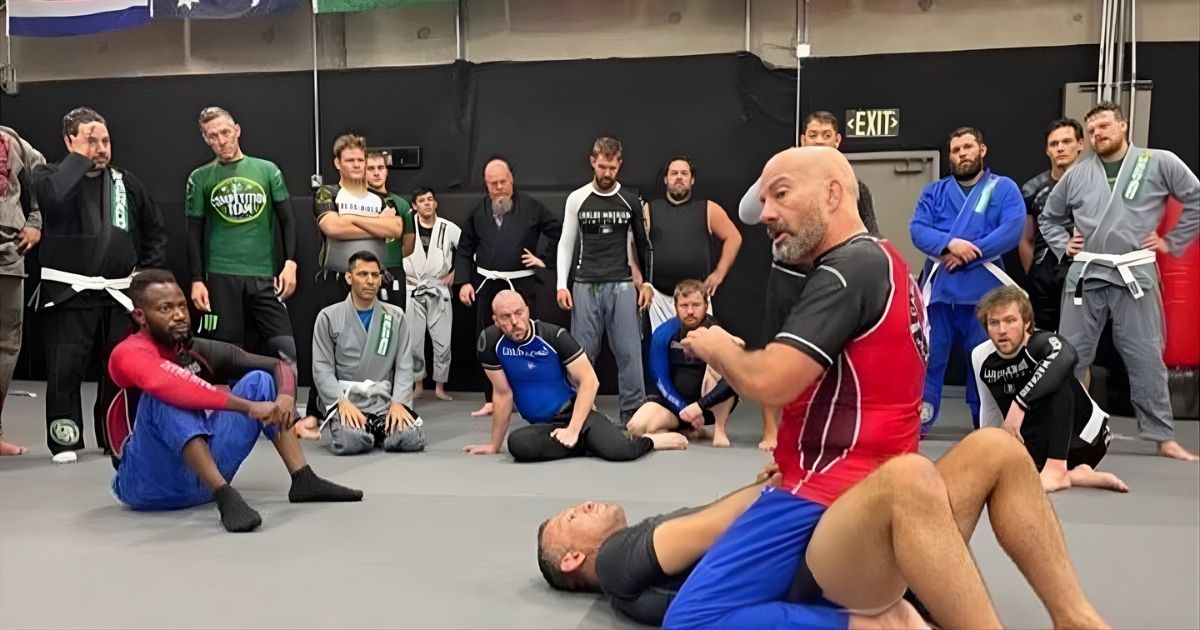
Learn from the 35 years experienced Brazilian Jiu Jitsu master Technique Demonstrations Double Arm Under the Legs Guard Position Technique In Brazilian Jiu-Jitsu, the double arm under the legs guard position technique is a fundamental move that allows the practitioner to control their opponent's movement and set up various attacks. To execute this technique effectively, follow these steps: Start by securing both of your opponent's legs with your arms. Keep your elbows tight to your body to prevent any escapes. Engage your core and maintain a strong base to stabilize your position. From this guard position, you can work towards sweeping your opponent or transitioning to a submission hold. Guard Defense Technique against Opponent's Pass Defending against an opponent's guard pass is crucial in Brazilian Jiu-Jitsu to avoid being put in a disadvantageous position. Here are some tips for executing a guard defense technique: Stay active with your guard, constantly adjusting and repositioning to create barriers for the pass. Use your grips strategically to control your opponent's movement and limit their options. Focus on hip movement to create angles that make it difficult for your opponent to pass your guard. Utilize framing techniques to create space and prevent your opponent from establishing dominant control. Crucifix Position Variations for Submissions The crucifix position is a highly advantageous control position in Brazilian Jiu-Jitsu that allows for a variety of submission opportunities. To explore different submission options from the crucifix position, consider the following variations: Armbar: Control your opponent's arms and isolate one for a powerful armbar submission. Choke: Use the crucifix position to set up a collar choke or a shoulder choke for a quick submission finish. Shoulder Lock: Apply pressure on your opponent's shoulder joint to force a submission or create openings for other attacks. Sleeve Belt Rib Roll Over Counter Attack Technique The sleeve belt rib roll over counter attack technique is a dynamic move that can catch your opponent off guard and allow you to gain the upper hand. Follow these steps to execute this technique effectively: Start by gripping your opponent's sleeve and belt to control their upper body. Engage your core and initiate a smooth roll over your shoulder to destabilize your opponent. Use the momentum from the roll to transition into a dominant position or set up a submission hold. Hook Flip Option for Top Position Leverage The hook flip option is a strategic move that can be utilized to gain leverage and control in the top position. To execute the hook flip effectively, follow these guidelines: Establish a strong base and posture to maintain control over your opponent. Hook your leg around your opponent's body and use it as a lever to manipulate their position. Engage your core and initiate a controlled flip to transition to a more dominant position or set up a submission opportunity. Drills and Strategies When it comes to mastering the art of grappling, understanding and executing various drills and strategies is crucial. This blog section will delve into five key aspects that are essential for improving your skills in Brazilian Jiu-Jitsu. 1. Defense against Bull Fighting Guard Pass Drills One of the most common guard-passing techniques in Brazilian Jiu-Jitsu is the bull fighting guard pass. This maneuver involves the passer attempting to move around the legs of the guard player by creating space and applying pressure. To effectively defend against this pass, specific drills can be practiced. Drill Tip: Practice creating frames with your arms and legs to create barriers for your opponent's advancements. Focus on hip movement and maintaining proper distance to prevent the bull fight pass. 2. Clock Choke Technique for Neck Pressure The clock choke is a powerful submission that can apply immense pressure on your opponent's neck. This technique is highly effective when executed correctly and can lead to a swift victory. Mastering the clock choke requires precision and understanding of leverage. Technique Tip: Start by securing your opponent's lapel with a deep grip, then swiftly transition to their back while maintaining control. Apply pressure by utilizing your forearm across their neck, mimicking the hands of a clock. 3. Transitioning to Side Mount or Mount Position Strategy Transitioning between positions is a key aspect of Brazilian Jiu-Jitsu. Knowing when and how to move from side control to mount, or vice versa, can dictate the flow of the match. Having a strategic approach to these transitions can give you the upper hand. Utilize underhooks and overhooks to secure control during transitions. Timing is crucial; wait for the right moment to make your move. Be aware of your opponent's reactions and adjust your strategy accordingly. 4. Grappling Technique for Arm and Leg Control Controlling your opponent's arms and legs is fundamental in dominating the grappling exchange. By restricting their movements and limiting their options, you can increase your chances of success in securing advantageous positions or submissions. Technique Focus: Practice maintaining control over your opponent's limbs through grips and transitions. Work on breaking their posture and disrupting their base to gain the upper hand during the grappling exchange. 5. Preventing Opponent from Facing You and Countering Movements Keeping your opponent from facing you is crucial to maintaining control and dictating the pace of the match. By understanding how to disrupt their movements and counter their attempts to reposition, you can stay one step ahead in the grappling game. Focus on off-balancing your opponent to prevent them from facing you directly. React swiftly to their movement patterns and anticipate their next actions. Utilize pressure and leverage to thwart their attempts to change positions. By incorporating these drills and strategies into your Brazilian Jiu-Jitsu training regimen, you can enhance your skills, improve your overall performance, and elevate your proficiency on the mat. Remember, practice makes perfect, so dedicate time to honing these techniques and watch your grappling game soar to new heights. Submission and Defense Techniques As you delve deeper into the world of martial arts, mastering submission and defense techniques becomes essential for both self-improvement and self-defense. In this blog section, we will explore various techniques that will empower you to control your opponent, break free from their grip, apply effective joint locks, and ultimately adjust your strategies to counter your opponent's movements. Ankle Control from Foot on Hip Position One of the fundamental techniques in submission and defense is gaining control over your opponent's ankle while in the foot-on-hip position. By leveraging this position effectively, you can disrupt your opponent's balance, limit their movement, and set yourself up for various submission opportunities. Breaking Free from Opponent's Grip with Belt Technique When your opponent manages to secure a tight grip, knowing how to break free is crucial. The belt technique offers a strategic way to release yourself from their hold, creating openings for counterattacks or transitioning into advantageous positions. Wrist Locks and Kimura Position OptionsMastering wrist locks and the kimura position provides you with versatile submission and control options. By applying proper technique and leverage, you can exert pressure on your opponent's joints, forcing them to submit or leading to a positional advantage. Applying Pressure to Finish Submissions Effective submission techniques rely not only on correct positioning but also on applying pressure in a controlled manner. Understanding how to generate and maintain pressure during submissions increases their effectiveness and reduces the likelihood of your opponent escaping. Adjusting Techniques Based on Opponent's Movements Adaptability is key in martial arts, especially when facing dynamic opponents. Learn how to read and react to your opponent's movements, adjusting your techniques in real-time to maintain control, create openings for submissions, and exploit weaknesses in their defense. Master submission and defense techniques by controlling your opponent's ankle, breaking free from grips using the belt technique, utilizing wrist locks and the kimura position for options, applying pressure effectively, and adjusting techniques based on your opponent's movements for strategic advantage.
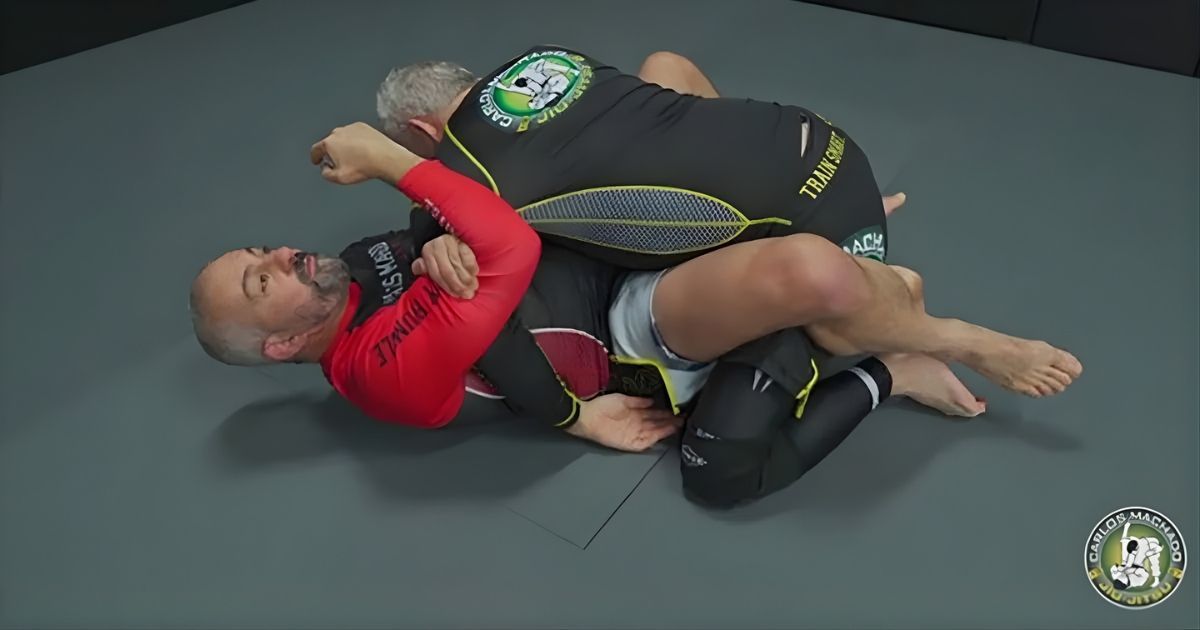
This blog post explores the knee ride pass and armbar techniques in jiu-jitsu, providing detailed instructions and strategies for mastering these essential moves. Knee Ride Pass Technique In the realm of Brazilian Jiu Jitsu, mastering the knee ride pass technique is essential for any practitioner looking to enhance their control and strategic capabilities during a match. This intricate maneuver involves a series of precise movements and key points that, when executed correctly, can provide a significant advantage over your opponent. Let's delve into the intricacies of the knee ride pass technique and explore the fundamental principles behind its success. Establish Control with Opponent's Leg Between Your Legs One of the foundational elements of the knee ride pass technique is establishing control over your opponent's leg by positioning it between your legs. This strategic placement serves as the starting point for initiating the pass and sets the stage for the subsequent movements that will follow. By securing your opponent's leg in this manner, you create a pivotal point of leverage that can be used to control their mobility and dictate the flow of the match. Avoid Overcommitting Arm Pushing Opponent's Shoulder As you make your initial move to pass the knee ride, it is crucial to avoid overcommitting your arm when pushing against your opponent's shoulder. Overextension in this area can leave you vulnerable to counterattacks and compromises your overall stability and balance. By maintaining a controlled and measured approach with your arm movements, you can effectively navigate around your opponent's defenses and advance towards a dominant position. Slide Knee Across, Clear Opponent's Leg, Keep Arm Extended The next phase of the knee ride pass technique involves sliding your knee across your opponent's body, clearing their leg, and keeping your arm extended to maintain pressure and control. This fluid sequence of movements requires precision and coordination to seamlessly transition from one position to the next. By sliding your knee across and effectively clearing your opponent's leg, you create an opening that allows you to progress towards a more advantageous stance. Initiate Attacks with Lapel Grip for Chokes or Submissions Once you have successfully passed the knee ride and secured a favorable position, it is essential to capitalize on the opportunity by initiating attacks with a lapel grip for chokes or submissions. This strategic maneuver enables you to maintain pressure on your opponent while simultaneously setting the stage for potential finishing moves. By leveraging the lapel grip effectively, you can apply additional control and create openings for advanced techniques. Maintain Balance, Keep Head Away to Avoid Being Rolled Throughout the execution of the knee ride pass technique, it is imperative to prioritize balance and stability to prevent being rolled or destabilized by your opponent. By staying centered and distributing your weight effectively, you can minimize the risk of being swept or countered during the pass. Additionally, keeping your head away from your opponent helps reduce the likelihood of being rolled over and maintains a strong defensive posture. In conclusion, mastering the knee ride pass technique in Brazilian Jiu Jitsu requires a combination of technical proficiency, strategic awareness, and precise execution. By focusing on the key principles outlined above and honing your skills through consistent practice, you can elevate your grappling abilities and gain a competitive edge in both training and competition scenarios. Defending Against Knee Ride Pass When it comes to defending against the knee ride pass in Brazilian Jiu-Jitsu, it's crucial to have a solid understanding of techniques and strategies to neutralize your opponent's advances effectively. In this guide, we will delve into key points that can help you defend against the knee ride pass and regain control of the situation. Keep Elbows Tight, Use Knees to Block Opponent's Hip One of the fundamental principles in defending against the knee ride pass is to keep your elbows tight to your body. This helps in preventing your opponent from getting a deep grip on your upper body, which can lead to loss of control. Additionally, using your knees to block your opponent's hip can create a barrier that hinders their progress and limits their movement. Hide Arm, Use Knee Bump to Create Space and Regain Control Another effective technique is to hide your arm to protect it from being attacked by your opponent. By keeping your arm close to your body, you reduce the chances of being vulnerable to submissions or control. Utilizing a knee bump can also be valuable in creating space between you and your opponent, allowing you to escape the unfavorable position and regain control of the situation. Continuous Movement, Attack with Hips and Feet Continuous movement is key when defending against the knee ride pass. Staying stagnant makes you an easy target for your opponent to establish dominant control. By incorporating hip movements and using your feet to push and create angles, you can disrupt your opponent's balance and create opportunities to escape or counter their attacks. Grip Target Arm, Affect Opponent's Posture with Whole Body When defending against the knee ride pass, it's essential to grip your opponent's target arm. This not only helps in controlling their movements but also allows you to disrupt their balance and posture. By engaging your whole body in the defense, you can effectively influence your opponent's positioning and limit their ability to execute their techniques. Work Towards Armbar Position, Don't Give Opponent Chance to Breathe As you defend against the knee ride pass, look for opportunities to transition towards an armbar position. By capitalizing on your opponent's movements and openings, you can set up a submission hold that can turn the tide of the match in your favor. Remember to maintain pressure and control, not giving your opponent a chance to catch their breath or regain their advantage. Mastering the art of defending against the knee ride pass requires practice, patience, and a deep understanding of grappling fundamentals. By incorporating these strategies and techniques into your training regimen, you can enhance your defensive capabilities and become a more formidable opponent on the mats. Armbar Technique An armbar is a highly effective submission technique in martial arts, particularly in disciplines like Brazilian Jiu-Jitsu and judo. Mastering the armbar requires precision, control, and understanding of the mechanics involved. In this guide, we will delve into the intricacies of the armbar technique, breaking down each essential component for a successful execution. Control Opponent's Head and Arm One of the fundamental aspects of executing a successful armbar is maintaining control over your opponent's head and arm throughout the technique. By controlling these key points, you can effectively immobilize your opponent and set the stage for the submission maneuver. Grip the opponent's arm firmly while using your other hand to control their head, limiting their mobility and options for escape. Climb Legs, Secure Arm, Use Pressure and Hip Movement As you establish control over your opponent's head and arm, the next step is to climb your legs around their body to secure the arm for the submission. Utilize pressure and hip movement to create leverage and apply force to the target arm. Proper positioning and constant pressure ensure that your opponent remains in a disadvantaged position, making it challenging for them to counter or escape. Dangerous Position for Opponent, Often Leads to Submission The armbar technique puts your opponent in a dangerous predicament, with their arm extended and vulnerable to hyperextension or submission. When executed correctly, the armbar can quickly transition from a controlling position to a fight-ending submission. The combination of joint manipulation and body mechanics makes the armbar a formidable technique in the arsenal of any skilled martial artist. Maneuvers: Head Control, Arm Control, Target Arm for Submission Successful execution of the armbar involves a series of maneuvers that culminate in the submission hold. From initial head control to securing the opponent's arm and applying pressure, each step is crucial in setting up the armbar. The ultimate goal is to isolate the target arm, creating the perfect opportunity to apply the submission and force your opponent to tap out. Work on One Side First, Then Switch to Other Side When learning the armbar technique, it is essential to focus on one side initially before transitioning to the other side. By mastering the mechanics and movements on one side, you can refine your technique and build confidence in executing the armbar effectively. Once you have honed your skills on one side, practice switching to the opposite side to develop versatility and adaptability in a real combat scenario. Overall, the armbar technique is a potent weapon in the arsenal of any martial artist. By understanding and mastering the intricacies of this submission hold, you can control and dominate your opponent, leading them to submission with precision and skill. Armbar from Scissor Sweep Position In Brazilian Jiu-Jitsu, the Armbar from Scissor Sweep Position is a highly effective submission technique that requires precision and control. By mastering this technique, you can secure a dominant position over your opponent and potentially end the fight quickly. When executing the Armbar from Scissor Sweep Position, there are several key points to keep in mind: Block Opponent's Shoulder: To prevent your opponent's weight from driving down and countering your attack, it is crucial to block their shoulder effectively. Climb Legs and Adjust Elbow: By climbing your legs around your opponent's arm and adjusting their elbow, you can secure the arm in position for the Armbar. Control with Hip Movement: Utilize your hip movement to control the positioning of your opponent's arm, maintaining stability and preventing escape. Variations for Different Arm Positions: Adapt your technique based on your opponent's arm positions, ensuring that you can still execute the Armbar effectively regardless of their movements. V-Grip Technique: When your opponent attempts to escape the Armbar, the V-Grip technique can be employed to secure the submission and prevent their exit. Maintain Control and Pressure: Throughout the entire process of applying the Armbar, it is essential to maintain control and pressure on your opponent, ensuring a secure submission. Remember, mastering the Armbar from Scissor Sweep Position requires practice, patience, and attention to detail. By focusing on each step of the technique and refining your movements, you can become a formidable force on the mat. TL;DR Master the Armbar from Scissor Sweep Position by blocking the opponent's shoulder, climbing legs, adjusting the elbow, adapting to different arm positions, utilizing the V-Grip technique for escapes, and maintaining control and pressure for a secure submission.
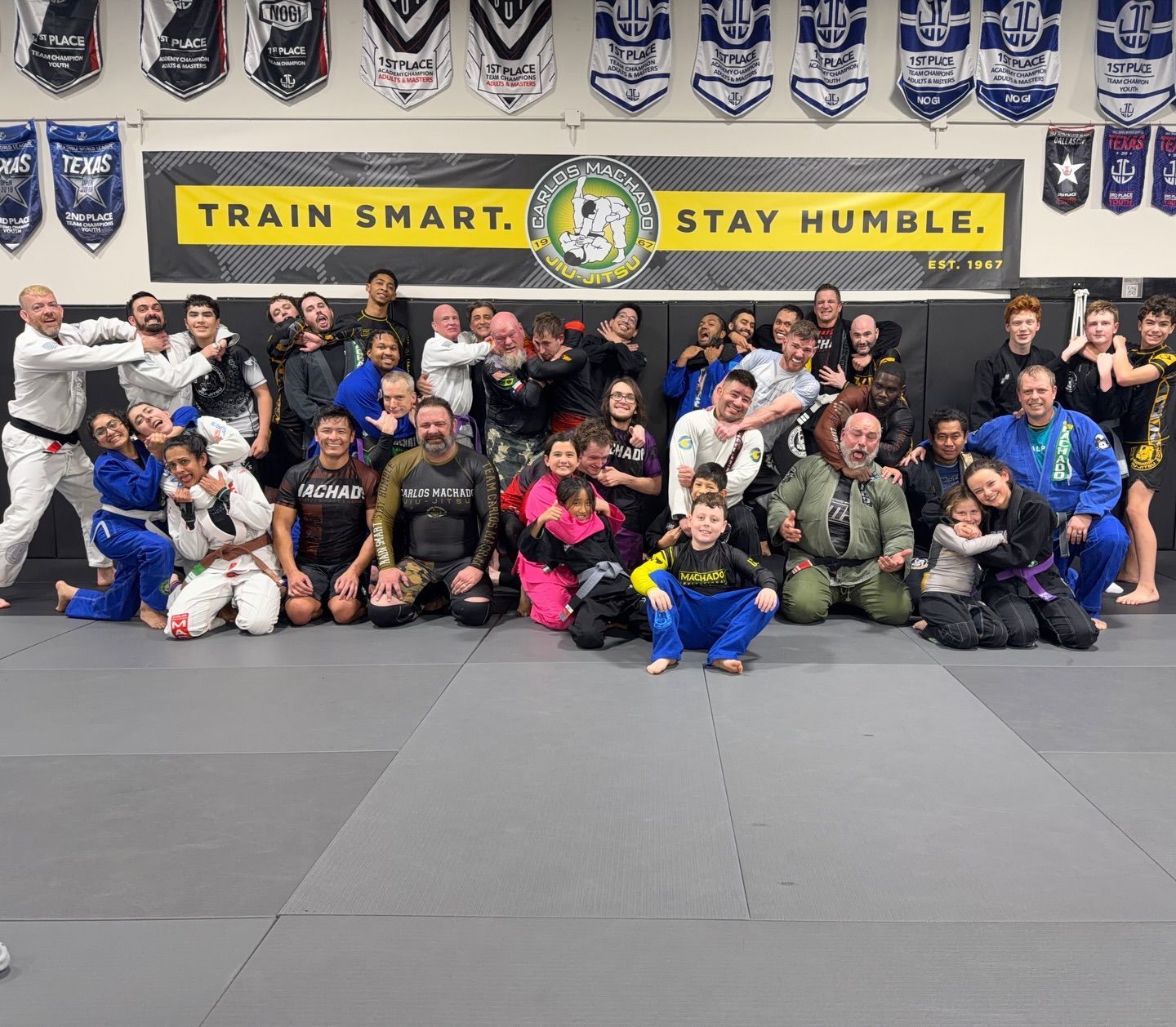
Location and Accessibility When it comes to choosing an educational institution for yourself or your child, one of the key factors to consider is the location and accessibility of the school. At our institution, we strive to provide a convenient and easily reachable location for students from various cities and towns. Located in Carrollton at 2201 Midway Road, Suite 312 Our school is situated in the vibrant city of Carrollton, specifically at 2201 Midway Road, Suite 312. This central location provides easy access to students coming from Carrollton itself as well as neighboring areas. Whether you reside in Carrollton or nearby, our school's location is designed to be easily accessible for all. Serving students from Carrollton, Farmers Branch, Addison, Plano, and Dallas We take pride in serving a diverse student population from a variety of cities and towns. Our institution welcomes students from Carrollton, Farmers Branch, Addison, Plano, and Dallas, among others. This diverse student body enriches the educational experience and fosters a vibrant community within our school. Conveniently positioned for residents of nearby cities and towns Our school's strategic location is not limited to just one city. It is positioned in a way that makes it convenient for residents of nearby cities and towns to access quality education. Whether you are commuting from Farmers Branch, Addison, Plano, Dallas, or any other neighboring area, our school is easily reachable for all. Accessibility is key when it comes to education, and our institution prioritizes providing a location that is convenient for a wide range of students. By being centrally located and easily accessible from various cities and towns, we aim to make the educational journey smoother for our students and their families. Community in Carrollton Carrollton boasts a vibrant community that is home to around 135,000 residents, making it a bustling and diverse city where individuals from various backgrounds come together to create a unique tapestry of culture and experiences. Vibrant Residential Community With a population of over 135,000 residents, Carrollton offers a mix of urban amenities and suburban charm. The city's diverse neighborhoods cater to a wide range of preferences, from bustling downtown areas to peaceful residential streets lined with trees and green spaces. Residents of Carrollton enjoy access to top-notch schools, healthcare facilities, recreational areas, and a thriving business community, making it an ideal place to live, work, and raise a family. Top-tier BJJ Programs Carrollton is renowned for its top-tier Brazilian Jiu-Jitsu (BJJ) programs, which attract students from near and far. Whether you are a seasoned practitioner or a novice looking to learn the art of BJJ, Carrollton offers a diverse range of training facilities and experienced instructors to cater to all skill levels. BJJ enthusiasts in Carrollton benefit from a supportive community that fosters growth and skill development. The city's BJJ programs not only focus on physical technique but also emphasize mental fortitude, discipline, and camaraderie among students. Strong Sense of Camaraderie One of the defining characteristics of Carrollton's community is the strong sense of camaraderie among its residents, including BJJ students. Whether engaging in friendly sparring sessions at the gym or participating in community events and gatherings, individuals in Carrollton come together to support and uplift one another. The camaraderie observed in Carrollton extends beyond the confines of BJJ programs, permeating various aspects of community life. Residents frequently engage in acts of kindness, volunteer work, and mutual support, creating a tight-knit environment where everyone feels welcomed and valued. Overall, the community in Carrollton exemplifies the essence of unity and togetherness, making it a truly special place to call home. Neighboring Farmers Branch Neighboring Farmers Branch is a vibrant community that exudes a close-knit atmosphere, bringing together approximately 35,000 residents in a harmonious blend of urban living and rural charm. This unique town offers an inviting environment where neighbors become friends, and a genuine sense of community spirit thrives. Close-Knit Atmosphere One of the defining features of Neighboring Farmers Branch is its close-knit atmosphere, where residents feel a strong sense of belonging and connection to their community. With a population of 35,000 individuals, the town maintains a cozy feel that fosters relationships and interactions among neighbors. Walking down the tree-lined streets or visiting the local market, you can always expect a friendly smile and warm greetings from familiar faces. Neighbors look out for each other, creating a supportive network that adds to the overall appeal of living in Neighboring Farmers Branch. Quality Instruction and Camaraderie at the Academy At the heart of the community lies the esteemed academy, where residents come together to partake in quality instruction and build lasting camaraderie. The academy serves as a hub for learning, growth, and social interactions, offering a range of educational and recreational programs for individuals of all ages. Quality Instruction: The academy prides itself on providing top-notch instruction in various disciplines, from academics to sports and the arts. Residents have access to knowledgeable instructors who are dedicated to helping them achieve their full potential and excel in their pursuits. Camaraderie: Beyond academic or skill-based learning, the academy promotes a sense of camaraderie among its members. Residents have the opportunity to form meaningful connections with their peers, fostering a supportive and inclusive environment where everyone feels valued and respected. Whether attending a workshop, participating in a team sport, or engaging in a cultural event, individuals at the academy forge bonds that go beyond mere acquaintanceship. The shared experiences and mutual interests form the foundation of lasting friendships that enhance the overall community fabric of Neighboring Farmers Branch. Neighboring Farmers Branch stands out as a community that thrives on its close-knit atmosphere and the quality instruction and camaraderie offered at the academy. Residents have the privilege of enjoying a welcoming environment where connections are easily made, and opportunities for personal and social growth abound. Addison's Diverse Recreational Options Addison has a vibrant community with a lively atmosphere and a population of around 16,000 residents. This bustling town may be small in size, but it offers a diverse range of recreational activities catering to various interests and preferences. Whether you are looking to unwind, stay active, or engage in activities that promote physical and mental growth, Carlos Machado Jiu Jitsu Carrollton has something for everyone. Lively Atmosphere in Addison Despite its relatively small size, Addison is known for its lively atmosphere and strong sense of community. With a population of approximately 16,000 residents, the town offers a close-knit and welcoming environment where locals and visitors alike can enjoy a range of recreational activities and social gatherings. From bustling farmer's markets to lively festivals and events, Addison has a lot to offer in terms of entertainment and community engagement. Physical and Mental Growth through BJJ One of the many recreational options available in Addison is the practice of Brazilian Jiu-Jitsu (BJJ). This martial art form focuses on grappling and ground fighting, making it an excellent choice for individuals looking to improve their physical fitness, mental agility, and self-defense skills. BJJ is not just a form of exercise but a way of life that promotes discipline, focus, and personal growth. Through regular practice and training, participants can enhance their physical strength, endurance, flexibility, and coordination. Moreover, BJJ also helps to boost confidence, reduce stress, and improve mental resilience. Whether you are a seasoned practitioner or a beginner looking to explore the world of martial arts, Addison provides ample opportunities to engage in BJJ classes, workshops, and competitions. With experienced instructors and supportive training partners, you can embark on a journey of self-discovery and empowerment through the practice of Brazilian Jiu-Jitsu. By immersing yourself in the world of BJJ, you can challenge yourself both physically and mentally, pushing your limits and unlocking your potential. The practice of BJJ teaches valuable life lessons such as perseverance, patience, and strategic thinking, which can be applied not only on the mats but also in various aspects of daily life. Overall, Addison's diverse recreational options, including the practice of Brazilian Jiu-Jitsu, offer residents and visitors a unique opportunity to engage in activities that promote physical fitness, mental growth, and personal development. Whether you are seeking a fun and exciting way to stay active or a transformative experience that enriches both body and mind, Addison has something special in store for you. Plano's Tech Hub and BJJ Balance Significant Tech and Corporate Hub Plano, Texas, is a city that stands out as a significant tech and corporate hub, home to around 287,000 residents. With a dynamic and thriving economy, Plano has become a magnet for tech companies, corporate headquarters, and skilled professionals seeking opportunities in various industries. The city's strategic location within the Dallas-Fort Worth metroplex has played a crucial role in its growth as a tech hub. Plano's proximity to major transportation hubs, including two major airports and several highways, has made it an attractive destination for businesses looking to establish a presence in the region. Companies in Plano span a wide range of sectors, including telecommunications, cybersecurity, healthcare technology, and finance. The presence of leading tech giants and innovative startups has created a diverse and competitive business environment, fostering collaboration and driving innovation within the city. Balancing Work Demands with Jiu-Jitsu Discipline Amidst the bustling tech scene and corporate landscape of Plano, many residents have found solace in the practice of Brazilian Jiu-Jitsu (BJJ). This martial art form not only offers physical benefits but also promotes mental discipline, focus, and balance in life. Individuals working in high-pressure environments often turn to activities like BJJ to help manage stress and maintain a healthy work-life balance. The principles of Jiu-Jitsu, which emphasize technique, strategy, and resilience, can be applied to challenges both on and off the mat. By incorporating regular BJJ training sessions into their routines, residents of Plano are able to sharpen their focus, improve their physical fitness, and cultivate a sense of community within the vibrant city. The discipline and dedication required for mastering Jiu-Jitsu complement the demands of a fast-paced professional life, offering a holistic approach to personal growth and well-being. Many Jiu-Jitsu practitioners in Plano find that the skills they develop on the mat translate seamlessly to their professional endeavors. The mental toughness, problem-solving abilities, and adaptability honed through BJJ practice prove invaluable when facing challenges in the workplace. In conclusion, Plano's identity as a tech hub with a thriving corporate landscape is complemented by the presence of a dedicated community of Jiu-Jitsu practitioners. The city's residents demonstrate a commitment to balancing their work demands with the discipline and resilience cultivated through the practice of Brazilian Jiu-Jitsu, creating a harmonious blend of innovation, personal growth, and well-being. Dallas: A Melting Pot for BJJ Enthusiasts Metropolis with Over 1.3 Million People Dallas, the vibrant metropolis in Texas, is a bustling city with a population of over 1.3 million people. Known for its rich culture, diverse population, and dynamic lifestyle, Dallas offers a unique blend of opportunities for Brazilian Jiu-Jitsu (BJJ) enthusiasts. With numerous academies, training centers, and passionate practitioners, Dallas stands out as a prime location for individuals looking to delve into the world of BJJ. The city's large population ensures that there is a plethora of training partners, coaches, and events to engage with, creating a thriving BJJ community. Seeking Discipline, Fitness, and Community in BJJ Academies For many individuals in Dallas, BJJ goes beyond mere physical activity - it is a way of life. The art of Brazilian Jiu-Jitsu not only provides an excellent form of self-defense but also offers a path to personal growth and development. BJJ academies in Dallas are not just spaces for training; they are hubs of discipline, fitness, and community. Students of all levels, from beginners to seasoned practitioners, come together to learn, grow, and support each other in their BJJ journey. Discipline: BJJ academies in Dallas instill discipline in their students through rigorous training routines, focus on technique, and adherence to the core principles of the martial art. Fitness: Engaging in regular BJJ training sessions is an excellent way to stay fit and active. The physically demanding nature of BJJ helps practitioners improve their strength, flexibility, and overall fitness levels. Community: The BJJ community in Dallas is known for its camaraderie and support. Practitioners form strong bonds, both on and off the mat, creating a network of like-minded individuals who share a passion for the art. Whether you are drawn to BJJ for self-improvement, fitness goals, or simply the love of the sport, Dallas offers a welcoming and dynamic environment for BJJ enthusiasts to thrive. Through dedication, perseverance, and a sense of community, individuals in Dallas can embark on a rewarding BJJ journey that not only enhances their physical abilities but also nurtures their mental and emotional well-being. Building a Strong BJJ Community When it comes to Brazilian Jiu-Jitsu (BJJ), the focus is not just on learning techniques, but also on personal growth. Becoming a part of a BJJ community means more than just mastering the art of grappling; it's about challenging yourself, pushing your limits, and achieving your personal best. At one of the leading BJJ academies in the Dallas-Fort Worth (DFW) area, you have the opportunity to be a part of a supportive and empowering community that will help you grow both on and off the mats. By joining this academy, you are not just signing up for classes; you are becoming a part of a family that will encourage you to be the best version of yourself. BJJ is a martial art that requires dedication, discipline, and a willingness to push yourself beyond your comfort zone. It's not easy, but the rewards are immeasurable. By training in a community that values personal growth and individual achievement, you will be inspired to set new goals, overcome challenges, and reach heights you never thought possible. Whether you are a beginner or an experienced practitioner, the journey of personal growth through BJJ is ongoing. Each time you step onto the mat, you are not just learning new techniques; you are testing your limits, building resilience, and strengthening both your body and mind. The challenges you face in training will help you grow both as a martial artist and as a person, teaching you valuable lessons about perseverance, determination, and resilience. Being a part of a strong BJJ community means surrounding yourself with like-minded individuals who share your passion for the art. Together, you will support each other, learn from one another, and celebrate each other's successes. The bonds you form with your training partners and instructors will extend beyond the academy, creating a network of support and camaraderie that will enrich your life both on and off the mats. At our academy, we believe in fostering a culture of respect, discipline, and excellence. We are committed to providing a safe and inclusive environment where individuals of all ages, backgrounds, and skill levels can come together to learn, grow, and achieve their personal best. Whether you are training for competition, self-defense, or simply to improve your fitness and confidence, our BJJ community welcomes you with open arms. Building a strong BJJ community goes beyond learning techniques; it's about personal growth, challenging yourself, and achieving your personal best. Joining one of the leading BJJ academies in DFW offers you a supportive environment where you can push your limits, learn valuable lessons, and be part of a family that values your growth both on and off the mats.
If you are a Brazilian Jiu-Jitsu (BJJ) practitioner, you probably know how rewarding and challenging this art can be. You also know that BJJ is not a sprint, but a marathon. It takes time, dedication, and patience to master the skills and techniques that BJJ offers. But how do you train BJJ for life? How do you avoid injuries, burnouts, or plateaus? How do you deal with different sizes, ages, and levels of opponents? How do you keep your motivation and passion high? One of the most important skills that you need to develop is the art of pacing. Pacing is the ability to control and adjust your speed, intensity, and strategy according to the situation. Pacing is what allows you to train smarter, not harder. Pacing is what makes you last longer, learn faster, and perform better. In this blog post, I will share with you some tips on how to pace yourself in BJJ, and how it can benefit you in many ways. Pacing for Learning One of the greatest equalizers in BJJ, when it comes to the battle of the ages between the younger and the older student, when all learning is happening at the same time, lies on how you strategize the pacing. It is not something unknown that when you learn how to pace, you can maximize your possibilities and increase your opponents' liabilities. Slow and steady has always proved to be the best pace, not only because it allows continuing effort but also prevents interruptions due to injuries or burnouts. But how do you pace yourself for learning? How do you make sure that you are absorbing and applying the information that you receive from your instructor or your training partners? One of the best methods that I use and teach is reverse engineering. This is a method that consists of teaching or learning the end first, and then going backwards to the beginning. For example, if I want to teach or learn an arm bar from the mount, I don't start by showing or practicing the setup or the transition. I start by showing or practicing the finish, the grip breaking part before extending the joint into submission. I let myself or my student feel how it is to complete the move, how to apply pressure, leverage, and angle. I let them experience the satisfaction of locking the arm and tapping their partner. Then, I go back to the previous step, the transition from the mount to the arm bar. I show or practice how to isolate the arm, how to swing the leg over the head, how to control the posture and position. I let myself or my student practice this step until they can do it smoothly and confidently. Finally, I go back to the first step, the setup from the mount. I show or practice how to create an opening, how to bait their partner, how to secure their grips and hooks. I let myself or my student drill this step until they can do it instinctively and effectively. By learning or teaching in this reverse order, I help myself or my student connect the dots more easily and quickly. They already know where they are going and what they are doing. They just need to fill in the gaps and polish their execution. This method works for any technique or sequence in BJJ, from the simplest to the most complex. It gives me or my student a clear vision of the goal and the outcome. It also helps me or my student feel the technique, not just see it or understand it. Pacing for Performance Another aspect of pacing is related to performance. How do you pace yourself when you are sparring or competing? How do you deal with different sizes, ages, and levels of opponents? How do you use your energy wisely and efficiently? In dealing with different size training partners, do I need to change the technique when I go against a bigger opponent? The answer will be “it depends”! In the scheme of things, the only difference when you’re dealing with unequal sizes is the strategy and the pace in which you implement the technique. It is not a secret that the first practitioners of Brazilian Jiu-Jitsu were often at a disadvantage when it came to size. Their strategy could only work if they first ensured wearing out their opponents before subduing them. Nowadays, with the advent of regulated Jiu-Jitsu tournaments with specific formats that include time limits and scoring rules criteria, size will definitely matter more. In normal circumstances, a smaller person could take longer to try to apply a move, waiting for the time in which their opponent showed signs of fatigue and slowed down. Also, when two partners share equal knowledge, size will matter even more. This is often a strategy very common in boxing matches in which you’re gonna have quick starters and long runners. A case in point could be exemplified by Conor McGregor versus Floyd Mayweather, in which McGregor started strong and fast for the first six rounds, and showed signs of slowing down after the seventh. From that point on Floyd Mayweather, which was maintaining a certain pace for the first half of the match, started to increase the pace and increase the aggression. This is not a secret in jiu-jitsu either. Some tournaments are formatted with longer time limits, or rules that favor going for submissions rather than scoring points. With that said, on average, how would someone benefit the most in making their jiu-jitsu last for a lifelong journey? Often, practitioners of jiu-jitsu, whether competitors or hard-core mat rats, will eventually fall prey to the effects of time and cumulative damage to their bodies, if the intensity of the training surpasses the body’s ability to recover. This is true in any sport and jiu-jitsu is not an exception. We have here an example point, the infamous L5 vertebrae. That’s a very common and almost across the board injury that several jiu-jitsu practitioners are susceptible to. The very nature of their style, in which it is not unusual for some to spend quite some time on the bottom, dealing with pressure and twisting motion against their joints (lower back in particular), it becomes very clear that as time goes on the body will show the signs of its cumulative damage. How to avert that is the real question! The slow and steady approach is an effective way for learning, going to the shallow, and then diving in the deep and dark waters of knowledge, that along with structured instruction and enough mat time will catapult skills. Those who use that approach of a better pace as their main strategy can afford to go for longer rounds without sustaining the increasing wear and tear so pervasive amongst long term practitioners. In doing so, one can likely train without interruption, and train in the way that they will always be able to keep on training. Jiu-jitsu is not a 100m dash, it is a marathon with no distance limit. If you are to cross the finish line, rest assured another one will arise on the horizon. Pacing for Enjoyment The last but not least aspect of pacing is related to enjoyment. How do you pace yourself to enjoy your training and your journey? How do you avoid injuries, burnouts, or plateaus? How do you keep your motivation and passion high? Does getting older mean losing functionality and abilities? Never! The older you get, the more experienced you get, the more effective you become. Older does not mean limited, older means smarter. Learning how to pace before outpacing an opponent is a sign of wisdom. However the mats are unforgiving. If you’re not wise from the start, it doesn’t matter how wiser you may become at a later time since your body will be a casualty of your earlier years in which you didn’t know any better. Having the right approach from the start will only guarantee amongst other things that you are going to go further, that you are going to be steady, and that you are likely to outlast many of those who may now even have a head start on you. Jiu-jitsu is not a quick fix, it’s not a shortcut, and definitely is not a small feat. If you’re going to last longer, thrive, and become highly skilled, you have no choice but to play it smart from the start. One of the most fun times that I have is when I watch the older crowd handle the young guns. There’s a saying that always goes like this: I wish I knew now what I should have known then. You don’t want to have that thought in your head once you have an ache in your body that prevents you from rolling. Be smart from the start, go slow and steady, choose your training partners well, learn how to optimize your training, take good care of your training partners, and above all take good care of yourself. Final Thoughts BJJ is more than just a sport or a hobby - it's a science and an art that can transform you in many ways. It can make you stronger physically, mentally, and emotionally. It can teach you valuable lessons that apply to all aspects of life. It can help you achieve your goals and dreams. But remember, BJJ is not about how fast or how far you go - it's about how well and how much you learn. And learning requires consistency, persistence, and dedication. So if you want to train BJJ for life, use pacing as your secret weapon. Control and adjust your speed, intensity, and strategy according to the situation. Train smarter, not harder. Train longer, learn faster, perform better. Now, go do some training, the mat is waiting for you! Written By: Carlos Machado - 8th Degree BJJ Coral Belt
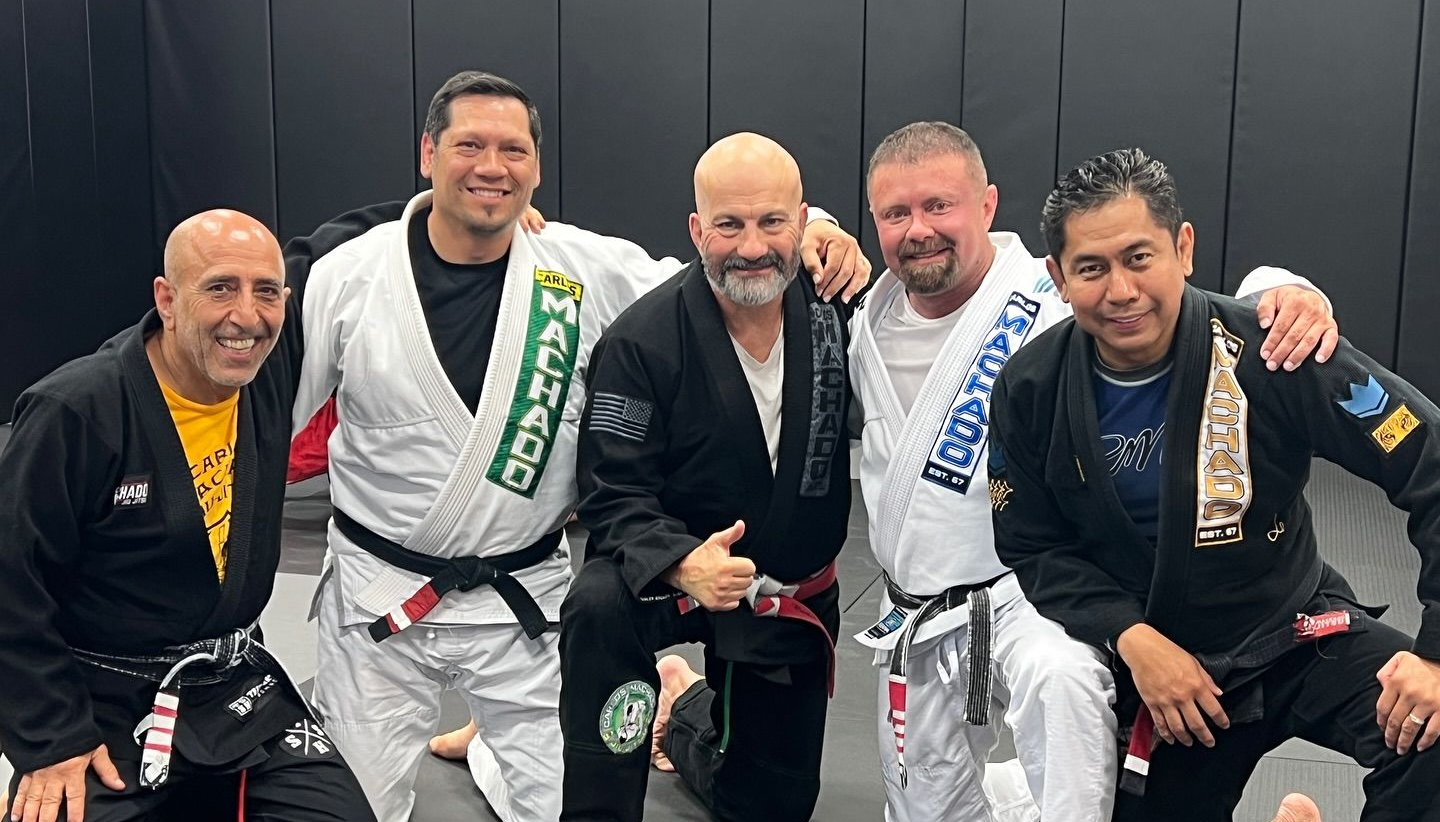
If you are a black belt in Brazilian Jiu-Jitsu (BJJ ) and you want to become an instructor, you might be wondering how to go about it. How do you share your knowledge and skills with others? How do you inspire and motivate your students? How do you make them learn faster and better? I have been teaching BJJ for over 40 years, and I have learned a lot from my own experience and from my mentors, such as my uncle Helio Gracie, my cousin Rolls Gracie, and my cousin Carlos Gracie Junior. I have also learned from my students, who constantly challenge me and make me grow as an instructor. One of the most important lessons that I have learned is the secret of reverse engineering. This is a method that I use to teach any technique or sequence in BJJ, from the simplest to the most complex. It consists of teaching the end first, and then going backwards to the beginning. Let me explain why this works so well, and how you can use it to become a great BJJ instructor. The Power of Reverse Engineering Reverse engineering is a powerful way to teach BJJ because it gives the student a clear vision of the goal and the outcome. It shows them what they are aiming for, and what they need to achieve. It also helps them feel the technique, not just see it or understand it. For example, if I want to teach an arm bar from the mount, I don't start by showing the setup or the transition. I start by showing the finish, the grip breaking part before extending the joint into submission. I let the student feel how it is to complete the move, how to apply pressure, leverage, and angle. I let them experience the satisfaction of locking the arm and tapping their partner. Then, I go back to the previous step, the transition from the mount to the arm bar. I show them how to isolate the arm, how to swing their leg over the head, how to control the posture and position. I let them practice this step until they can do it smoothly and confidently. Finally, I go back to the first step, the setup from the mount. I show them how to create an opening, how to bait their partner, how to secure their grips and hooks. I let them drill this step until they can do it instinctively and effectively. By teaching in this reverse order, I help my students connect the dots more easily and quickly. They already know where they are going and what they are doing. They just need to fill in the gaps and polish their execution. The Benefits of Reverse Engineering Reverse engineering has many benefits for both the instructor and the student. Here are some of them: It makes teaching more fun and rewarding. The instructor feels more engaged and motivated when they can see and feel the result of their effort. They also enjoy the challenge of helping their students figure out how to get there. It makes teaching more efficient and effective. The instructor teaches faster and better when they have a clear goal and a clear path. They also communicate more clearly and concisely when they can relate it to something that their students already know or feel. It makes teaching more adaptable and creative. The instructor teaches how to adjust and improvise when things change or go wrong. They also teach how to apply the same principle or concept to different situations or techniques. The Art of Frustration Of course, reverse engineering is not a magic formula that guarantees success every time. BJJ is still a complex and dynamic art that requires constant practice and improvement. There will be days when your students will struggle or fail, when they will be frustrated or discouraged. But that's part of the journey, part of the beauty of BJJ. It's not about getting it right every time - that's impossible even for the most experienced practitioners. It's about pushing your threshold higher every time, getting closer to your goal. It's about frustrating your opponent first, making them work harder than you, making them sweat more, tire them out. It's about improving your transitions, escaping from bad positions, disrupting their balance. It's about adding pressure to everything, smashing, squeezing, choking. When you do these things right, the submission becomes not the target but the consequence. Final Thoughts BJJ is more than just a sport or a hobby - it's a science and an art that can transform you in many ways. It can make you stronger physically, mentally, and emotionally. It can teach you valuable lessons that apply to all aspects of life. It can help you achieve your goals and dreams. But remember, BJJ is not about how you start - it's about how you finish. And finishing strong requires consistency, persistence, and dedication. So if you want to become a great BJJ instructor, use reverse engineering as your secret weapon. Start with the end in sight, and help your students see things differently, feel things differently, and do things differently. Now, go do some training, the mat is waiting for you!